



H
 Path
 Practical Tips
Ten Days on a Budget: An Economic Journey Through Moroccan Cities
A 10-day itinerary that relies on trains, buses, hostels, and local cuisine to visit the most notable cities without spending a lot.
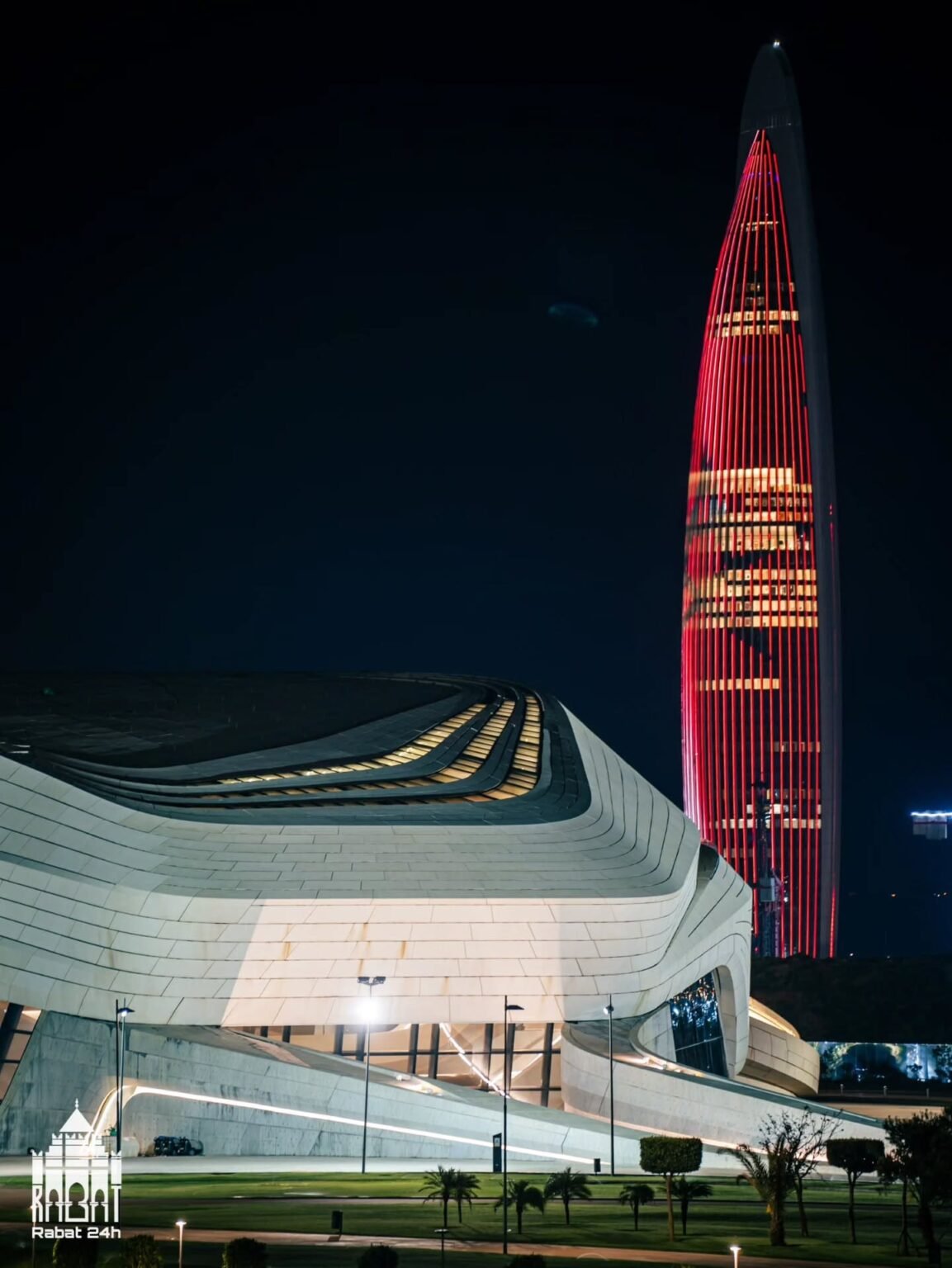
You can travel in Morocco on a moderate budget without sacrificing the experience: trains and buses run regularly, the local food is simple and delicious, and many attractions have low admission fees or are free. The key is to plan ahead and avoid spending money on things that don’t add value to your trip. This itinerary suggests a ten-day trip between Tangier, Fes, Marrakesh, and Essaouira, using public transportation and staying in hostels and budget guesthouses. The figures here are approximate and vary by season, so consider them a rough guide rather than a price guarantee.
Days 1 and 2: Tangier and the North
Start in Tangier and walk through the Old City, the Kasbah, and the Corniche—all of which are free. Buy fried fish from the simple street stalls instead of tourist restaurants. On the second day, take a local bus to Chefchaouen or Tetouan if you like—it’s a two- to three-hour trip—and return the following day. Small guesthouses in Chefchaouen offer simple rooms at reasonable prices outside of peak season.
Day 3: Travel to Fez
The train from Tangier to Fez usually stops in Kenitra or Sidi Qasim with a transfer; schedules vary, so be sure to check the timetable. Second-class tickets offer significant savings, and you should book in advance during holidays. In Fez, choose accommodations in or near the Old City, such as a youth hostel or a budget guesthouse.
Days 4 and 5: Fes on a Budget
Exploring Old Fez is free, and the schools charge relatively nominal fees. You can do without a paid guide on the second day once you’ve gotten to know the alleys, or join a small group tour. Eating at local eateries is inexpensive: harira, msemen, bissara, and stuffed sandwiches. To save money, drink water from large bottles instead of small ones.
Day 6: Fes to Marrakesh
The long train ride with a transfer in Casablanca is cheaper than flying. It’s best to travel in the morning so you arrive in Marrakech in the evening. Choose accommodations in the Old City near the square; they’re usually less expensive than those in Gueliz.
Days 7 and 8: Marrakech on a Budget
The square, markets, and alleys are free, as are some mosques (from the outside). As for the palaces and gardens, choose just one or two to save on admission fees. Walk instead of taking taxis, and avoid buying souvenirs on your first day. For dining, try restaurants in working-class neighborhoods just off the main square. Be sure to ask for prices before eating at food stalls.
Days 9 and 10: Essaouira and the Return
The bus to Essaouira is affordable, takes about three hours, and is relatively comfortable. Take a stroll around the port and the ramparts, and enjoy fresh fish straight from the nets, priced by weight. Then return to Marrakech or Casablanca for your departure, making sure to book your bus or train ticket in advance.
Important Savings Tips
- Travel during the off-season, when prices are lower and accommodations are more readily available.
- Use long-distance buses and trains instead of domestic flights or large taxis.
- Have lunch—your main meal—at a local restaurant, and just have a light dinner.
- Ask for the fare in advance when taking a taxi or using any service that doesn't have a price list.
- Compare ATM withdrawals with currency exchange, and avoid high fees.
Tips Before You Go
- Book your first night in each city in advance, and then you can be flexible after that.
- Bring a lock for your bag and a lightweight sleeping bag if you plan to stay at hostels.
- Do not accept unsolicited advice on the street, and be polite when declining.
- Keep some small change on hand for buses and kiosks.
Where can you find the most affordable place to stay?
There are a variety of budget options: youth hostels, small inns in the old cities, family-run guesthouses during the off-season, and sometimes shared rooms in budget hotels in Riyadh. Read recent reviews, and check for cleanliness, hot water, and heating in the winter, as well as the location’s proximity to the station or the old city to save on taxi fares. Ask if breakfast is included. Sometimes booking directly with the hostel owner gives you a better rate than the major booking platforms, so ask politely.
How Can You Eat Well on a Budget?
Moroccan street food is filling and inexpensive: harira with bread and dates, fava beans and bisara for breakfast, stuffed sandwiches, grilled meats at food stalls, and cooked salads. If you’re on a budget, avoid restaurants overlooking the main squares and look for side streets instead. Avoid juices from street stalls if you’re not sure about hygiene, and carry a refillable water bottle. Mint tea at local cafes is cheap and refreshing.
Mistakes That Increase Costs
Paying the asking price at markets without haggling, taking a taxi without agreeing on a fare, eating near the largest squares, and changing accommodations frequently in a short period of time—all of these quickly drain your money. Plan for days when you’ll be spending a lot, and set aside a day or two for free activities.
Approximate Cost and Notes
If you rely on budget accommodations, public transportation, and local cuisine, your daily expenses may be significantly lower than those of the average traveler, but the figures vary by city and season, so check before booking. The main expense categories are lodging, followed by transportation, then food, and finally admission fees. Don’t skimp on safety or basic comfort just to save money; a good night’s sleep and adequate food make the trip more enjoyable in the long run. And if your budget is tight, visit fewer cities rather than compromising on the quality of your accommodations.
 Article · Practical Tips
Visiting Historic Cities During the Rainy Season: A Practical Guide
Paved alleys and open-air markets require a flexible plan when it rains. An explanatory guide with tips and information for visitors.
Article · Practical Tips
Hiking in the Atlas Mountains: Preparing Before You Set Out
Choosing a suitable mountain trail requires an understanding of elevation, weather, physical fitness, and safe return. An informative article with tips and information for visitors.
Article · Practical Tips
Safety on Atlantic Beaches: Waves, Currents, and Tides
The beach may appear calm even though there are currents, rip currents, or areas where swimming is prohibited. An explanatory article with tips and information for visitors.
Article · Practical Tips
Ethics of Photography in Moroccan Alleys and Markets
A beautiful photo does not justify disturbing people or photographing their private spaces. An explanatory article with tips and information for visitors.
Article · Practical Tips
Affordable Travel in Morocco: Questions to Ask Before Booking
Accessibility varies among historic cities, modern hotels, and natural sites. An explanatory article with tips and information for visitors.
Article · Practical Tips
Trains in Morocco: A More Relaxing Journey Between Major Cities
The train connects several urban centers and offers a practical alternative to driving on suitable routes. An explanatory guide with tips and information for visitors.
Article · Practical Tips
Artisan Cooperatives: How to Shop Consciously in Morocco?
Buying directly from artisans and cooperatives may create more tangible local value than goods of unknown origin. An explanatory article with tips and information for visitors.
Article · Practical Tips
The Moroccan Hammam: A Tradition of Cleanliness and Comfort
What's the deal with the hammam? And how do you prepare for your first time?
H
Did you find this helpful?
Did you find what you were looking for? Rate this content and let us know how we can make it more accurate and useful for you and other travelers.
Did you find this helpful?
Rate the content and tell us how we can improve it.