


H
Casablanca
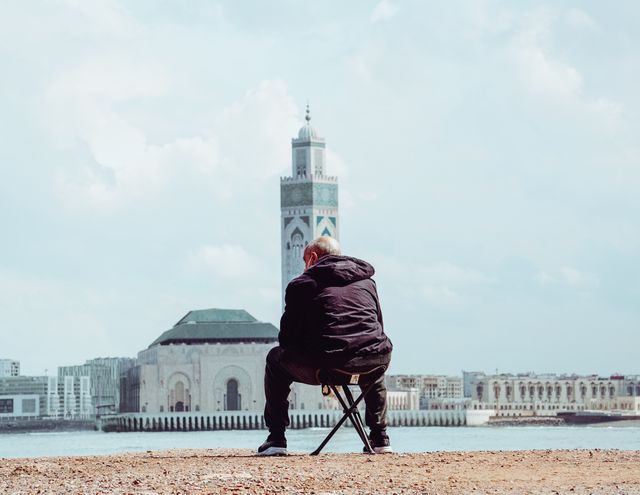
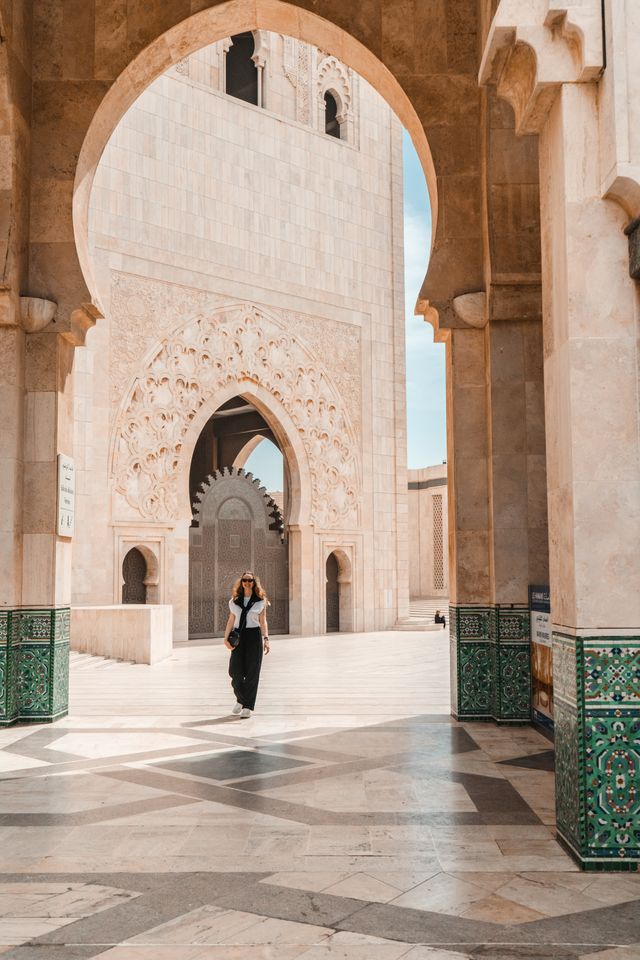
Morocco's largest city and economic hub, it combines the Atlantic coastline with modern architecture and historic neighborhoods, with the Hassan II Mosque, the Corniche, and the Habous standing out as key attractions.


About the city
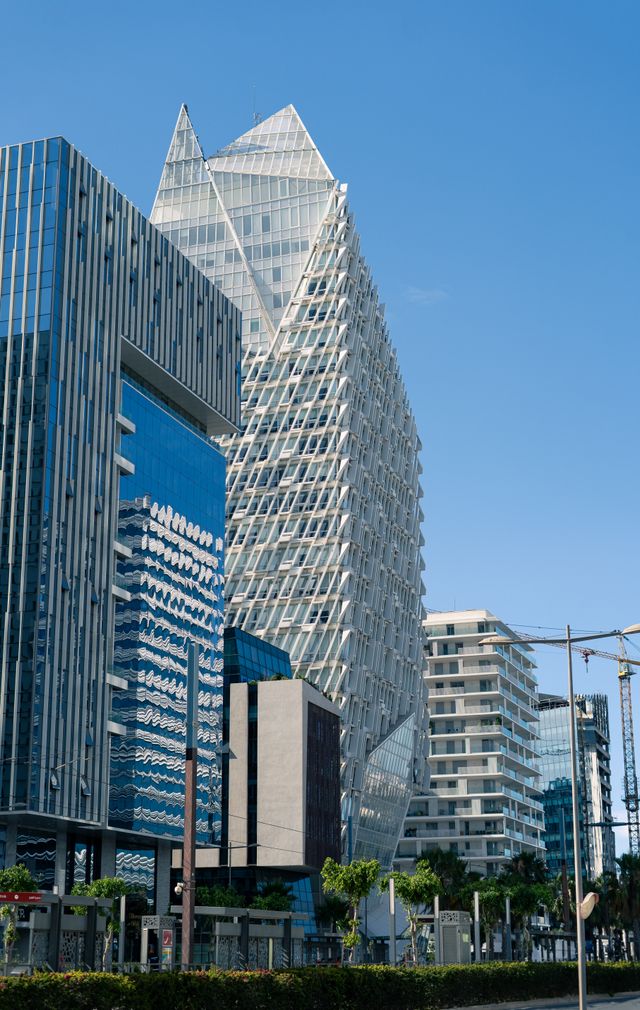
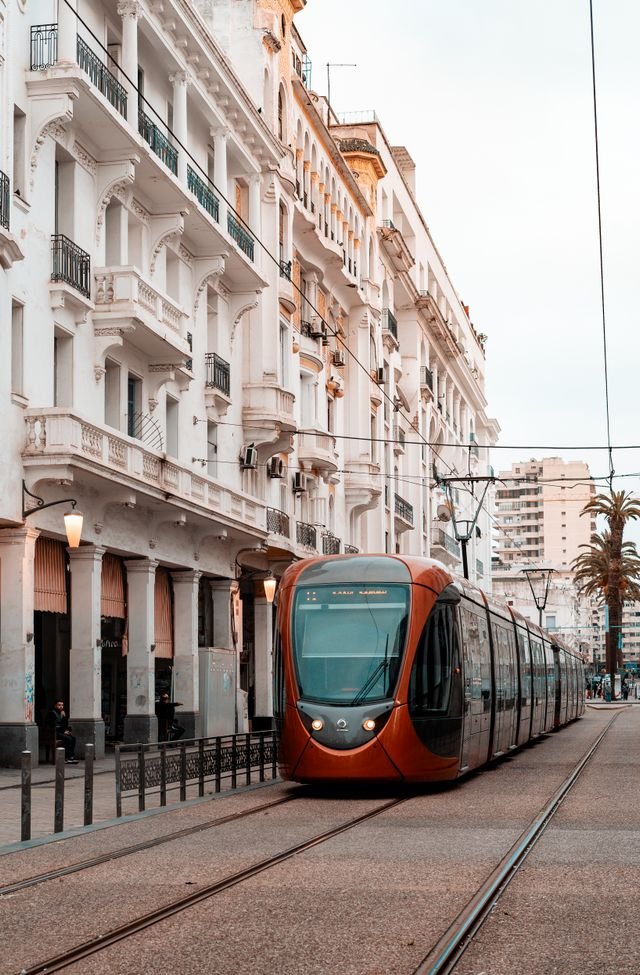
Casablanca is Morocco’s largest city and its main economic hub, and it has expanded rapidly around its Atlantic port and its commercial and industrial areas. Its neighborhoods reflect a blend of modern architecture, Art Deco, and neo-Moroccan styles, and the Hassan II Mosque remains its most prominent landmark, thanks to its location directly on the ocean, its size, and its intricate craftsmanship.
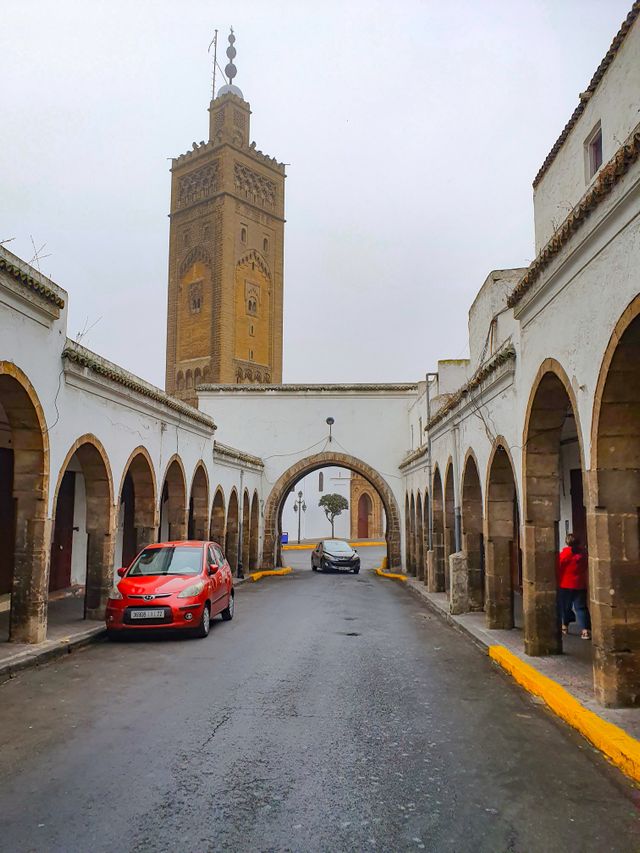
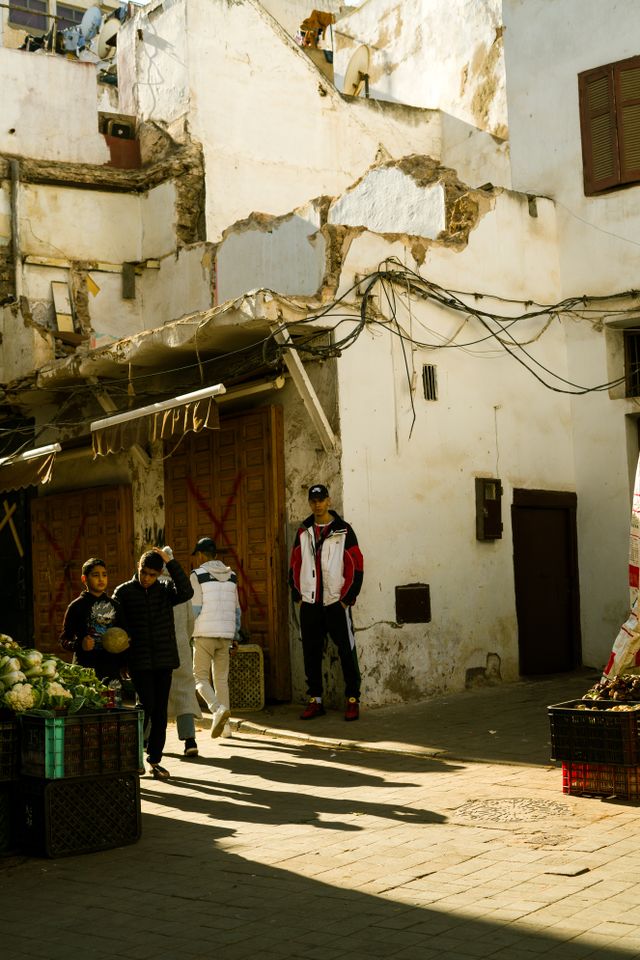
The city experience spans the Ain Diab Corniche, downtown, the Habous neighborhood, the Old City, the markets, and the restaurants. Casablanca is not just a city of historical sites; it is a window into contemporary urban Morocco and the rhythm of business, culture, and daily life, making it ideal for a short visit before continuing your journey to Rabat, El Jadida, or Marrakesh.
Getting around
Trams, trains, and taxis cover large parts of the city. The train connects the airport to the city center, while walking remains a good option for the city center, Al-Habous, and some parts of the Corniche.
Best time to visit
From March to June and from September to November
Suggested stay
1 to 2 days
Getting there
Mohammed V Airport and the Casablanca Passenger and Casablanca Port stations
Local tips
Book a visit to the Hassan II Mosque at a time when the interior tour is available.
Take the tram to avoid traffic on long trips within the city center.
Combine the Al-Hobous and the city center to compare two different architectural styles.
If the weather is clear, spend the evening on the Corniche.
Allow extra time to get to the airport because of its distance and traffic.
Places the city is known for
A selection of the best places to discover during your visit.


Hassan II Mosque
One of the world's largest mosques and a prominent landmark, built on the Atlantic coast with intricate Moroccan craftsmanship.
Habous Quarter
A neighborhood built in a style that blends modern urban planning with traditional Moroccan architecture, dotted with shops and markets.
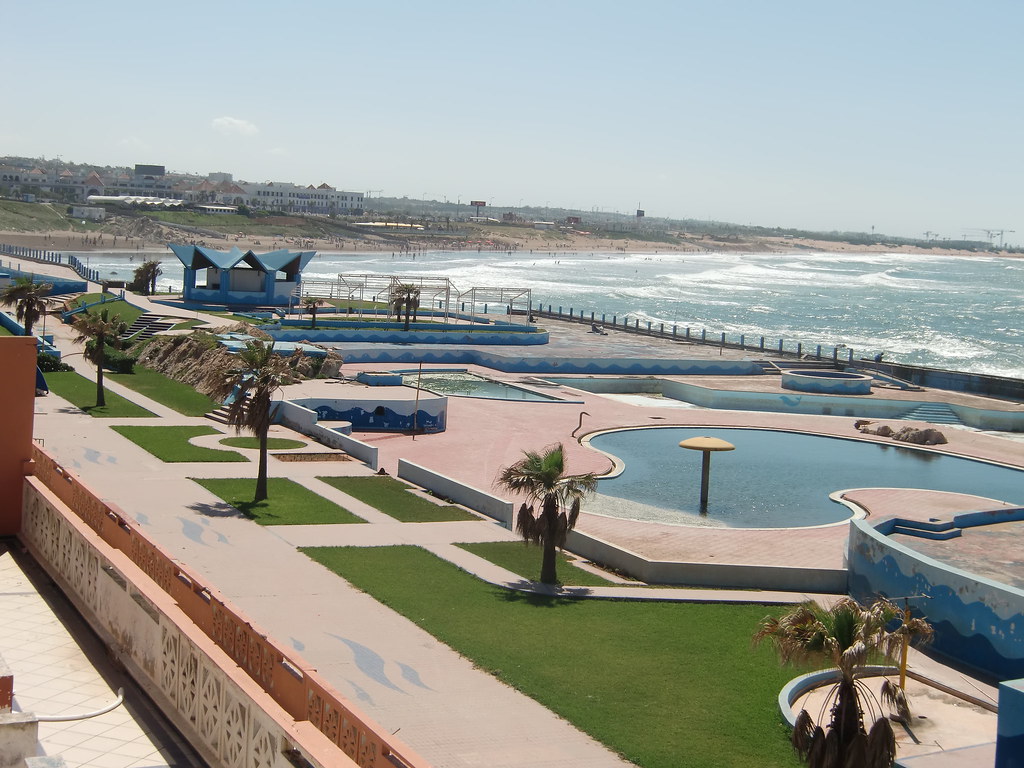
Ain Diab Corniche
A long seaside promenade featuring restaurants, cafes, beaches, and unobstructed views of the Atlantic Ocean.
Old medina
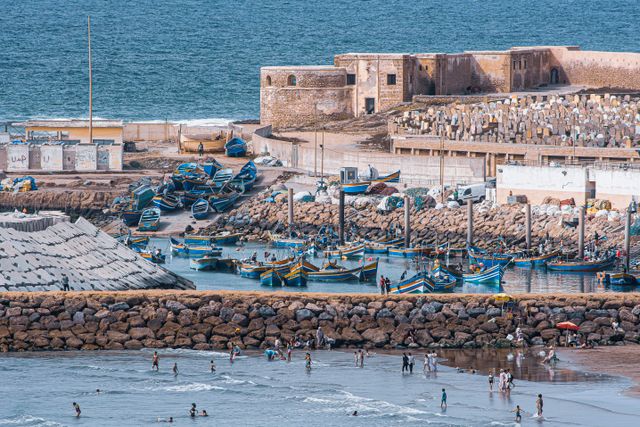
A historic district near the port featuring markets, alleyways, and ancient gates in the heart of the modern city.
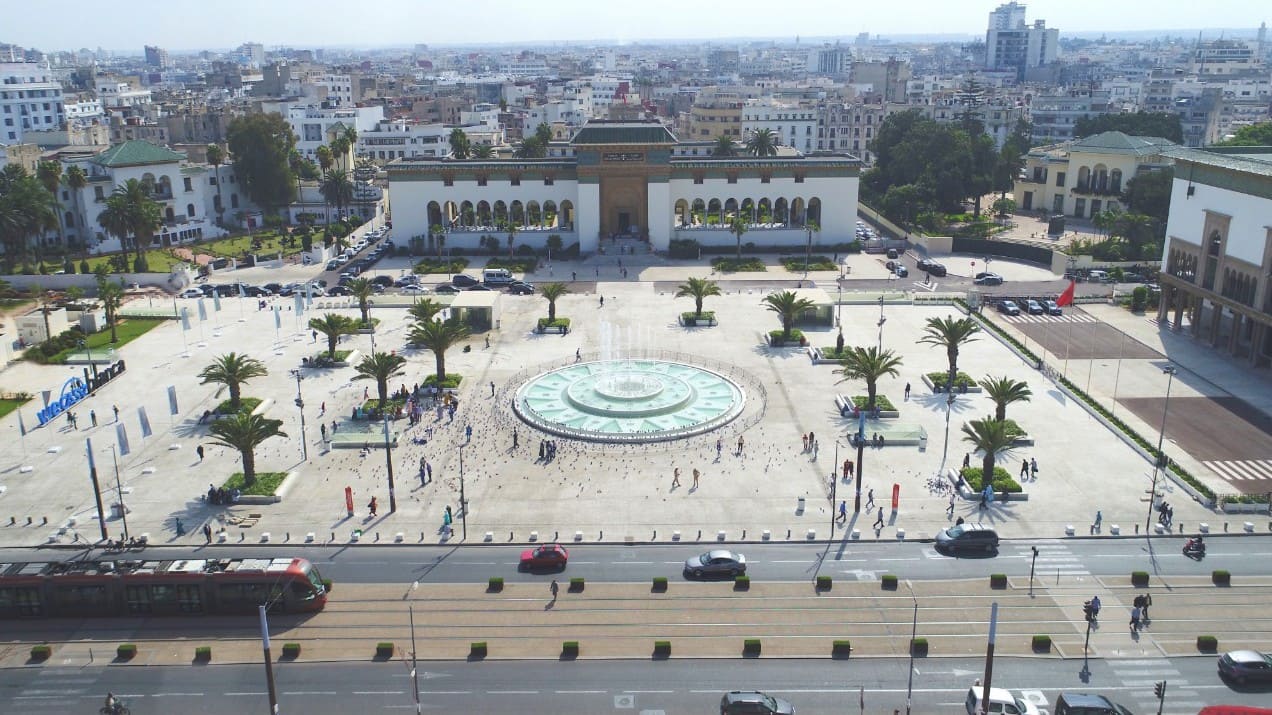
Mohammed V Square
A central plaza surrounded by historic administrative buildings that blend Moroccan and Art Deco styles.
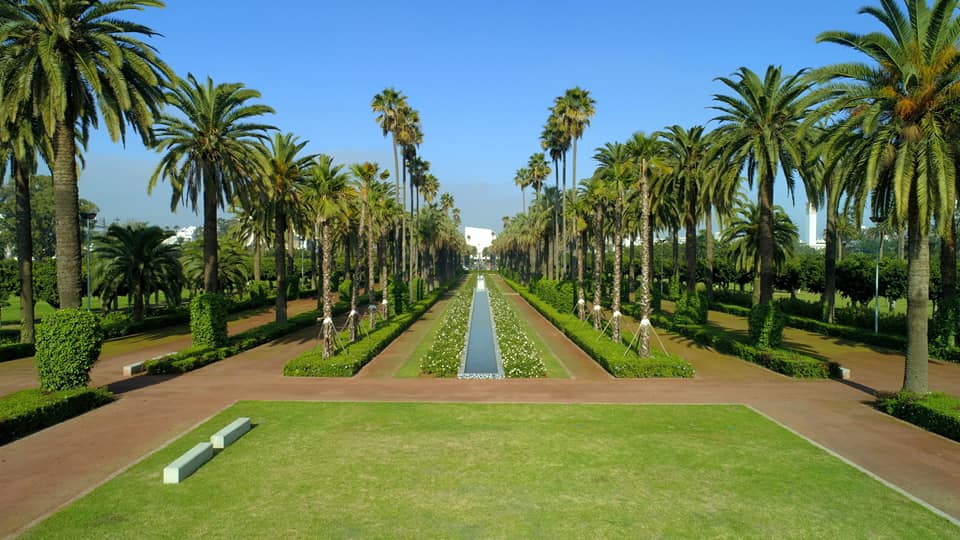
Arab League Park
One of the most famous green spaces in downtown Casablanca following its redevelopment.
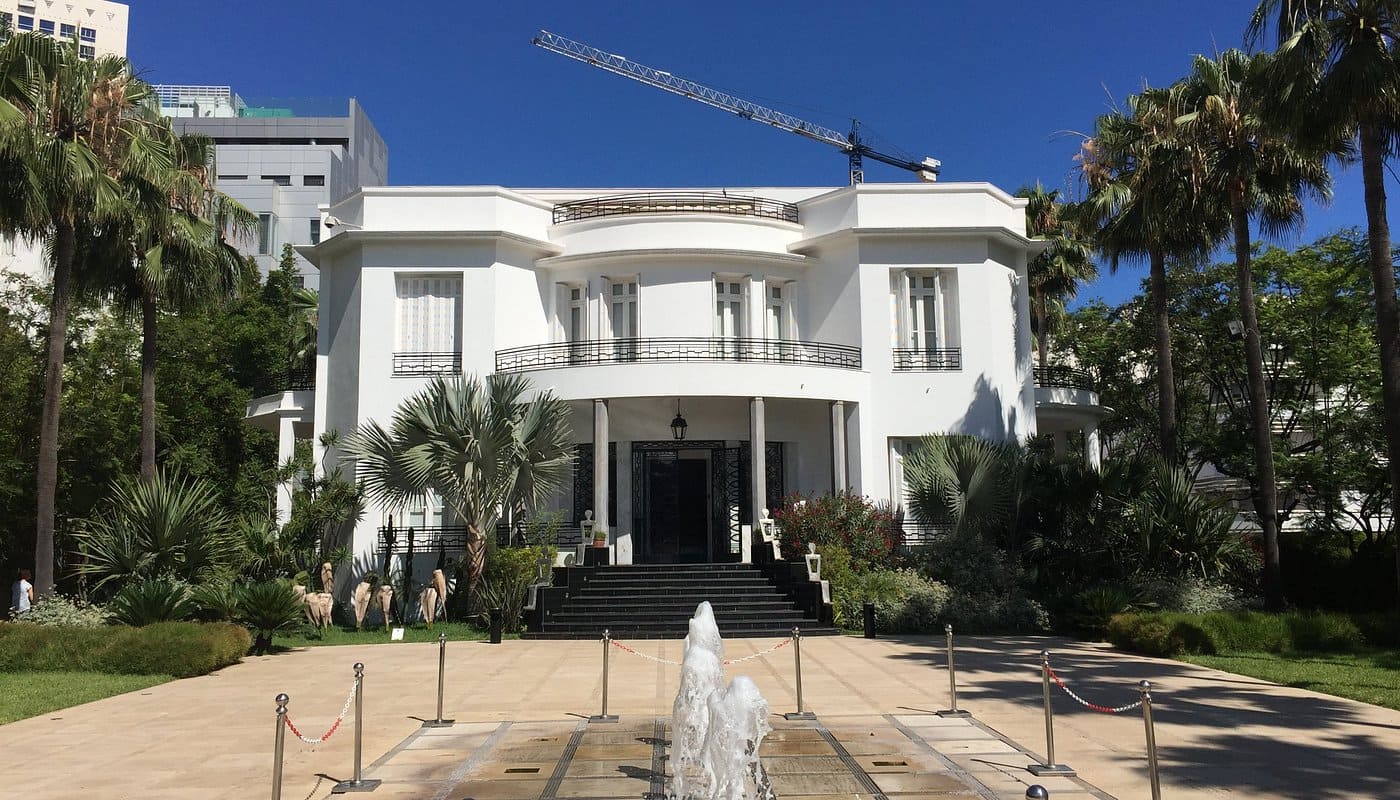
Villa of the Arts
An art space located inside a historic building that hosts a variety of cultural and artistic exhibitions and programs.
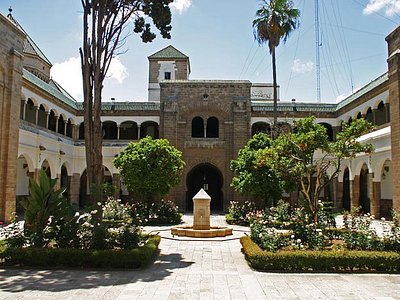
The Pasha's Court
A famous building in the Al-Habous neighborhood that combines elements of Moroccan architecture and traditional ornamentation.
H
Share your thoughts on this city
Had an experience in this city? Tell us what you loved and what you would recommend to travelers, and suggest any place worth adding to our guide after review.
Share your thoughts on this city
Been there? Tell us how you found it.